Give to a real practice, not an imagined hobby
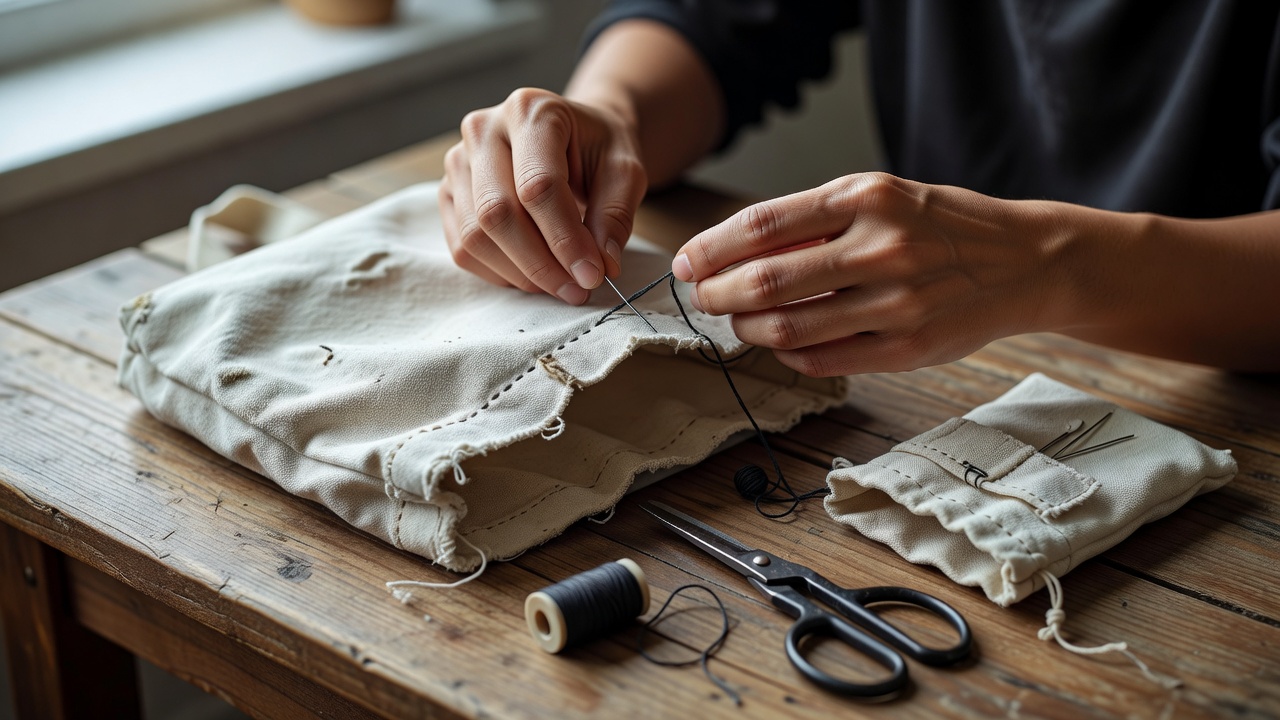
A person who enjoys mending clothes does not necessarily want a sewing machine. Someone who sketches may be very particular about paper, while a furniture restorer might already own every general-purpose tool they need. “Creative” is too broad a category to buy against. Find the actual activity, the materials involved and the stage the recipient has reached.
The strongest clues are repeated use and expressed frustration. They may lose time collecting supplies from different rooms, avoid a project because clearing the table is difficult, or ration a favourite consumable. These observations point toward a project pouch, a safe storage solution or a precise refill. They do not automatically justify a larger or more expensive tool.
Match specifications before choosing a brand
Consumables can be excellent gifts when you know exactly what is used. DMC embroidery thread uses colour references that help identify particular shades, but thread type and the needs of the project still matter. A photograph of an existing label is more useful than a description such as “a few greens.” For a larger piece, the recipient may also have preferences about matching materials across a batch.
Cutting tools require similar precision. OLFA and Fiskars offer different tools and replacement components; sharing a brand does not make every blade compatible. Confirm the model and the manufacturer’s stated fit. Check whether the recipient wants a replacement at all. A familiar grip, handedness preference or safe blade-changing mechanism can matter more than an impressive feature list.
For repair work, iFixit repair guides can help identify the tools a specific task calls for. That does not mean a general toolkit is appropriate for every device. Access restrictions, warranties, battery hazards and the person’s experience all affect the decision. Avoid gifting equipment that implicitly asks someone to attempt work beyond their comfort or training.
Make setup and cleanup easier
A compact tool roll can be useful for someone who works at a shared table, provided its pockets fit the actual tools and protect sharp edges appropriately. An ordinary fabric roll is not automatically safe blade storage. A project box should close without crushing the work and should be easy for the recipient to carry. If it is heavy when empty, filling it will not improve matters.
A cutting mat deserves a place only if its size, intended use and storage requirements suit the work. Check the maker’s instructions about heat and keeping it flat. A surface sold for one craft may not protect a table from every tool or material. Likewise, a portable work tray is not a substitute for a properly secured workbench where the task requires one.
| Observed habit | Gift direction | Main question |
|---|---|---|
| Returning to the same stitching project | Requested thread or project pouch | Exact type, colour and project size? |
| Small repairs at a shared table | Compatible hand tool or parts tray | Safe storage and exact tool fit? |
| Sketching while travelling | Preferred paper or compact case | Paper weight, dimensions and medium? |
Respect expertise and spare time
An experienced maker often has stronger preferences than a beginner, not fewer. Ask what is wearing out or what they would replace like for like. A specialist shop credit can be thoughtful when the shop stocks their materials, is accessible to them and has suitable terms. Check expiry dates and whether delivery fees will consume a meaningful part of the balance.
Beginners need a manageable route into a project rather than a mountain of supplies. A LEGO set can still involve substantial display and storage space. A Raspberry Pi project can require separate peripherals, compatible power and time to configure software. These are not universal gifts for “hands-on minds.” Ask whether the recipient wants that particular activity and what equipment they already have.
Avoid gifting obligations
A workshop may sound like a welcome experience, but dates, travel, accessibility and the teaching level need to work. Ask before booking a non-refundable place. Some people enjoy making privately and do not want an organised class. Others would value shared time more than another object. Offer a choice without making refusal awkward.
Never make a gift conditional on a finished piece, a repair for you or proof that the supplies were used. The recipient owns both the materials and the pace. A small note such as “For whenever you feel like picking this up again” can remove pressure. Keep the receipt and original packaging, and avoid personalising equipment until the fit is confirmed.
Safety boundary: follow the tool manufacturer’s instructions. This guide does not provide training in cutting, electrical repair, chemicals or machinery, and no gift suggestion replaces task-appropriate protective measures.